
Home » Residential Electrical Services » Home Generator Installation
Generator Installation
Generator Installation in Suffolk County, NY
Standby generator installation and generator-ready electrical work for Long Island homeowners who want dependable backup power when the utility goes out.
HomeOps Electric installs home generator connections, transfer switches, generator inlet boxes, standby generator wiring, and backup power solutions throughout Suffolk County and nearby Long Island communities.
Whether you are planning a new standby generator, need a safe connection for a portable generator, or want your electrical system reviewed for backup power readiness, our licensed electricians can help you choose a safe, code-focused setup.
Trusted by Suffolk County Homeowners
HomeOps Electric is trusted for dependable service, clear communication, and electrical work done with care. From generator installation planning to transfer switch wiring and panel work, our team focuses on safe, professional backup power solutions.

Home Backup Power Solutions
Generator Installation Built Around Your Home
Every backup power setup is different. HomeOps Electric reviews your electrical panel, generator type, transfer switch needs, wiring path, and essential circuits before recommending a safe solution.
Whether you are planning a standby generator, adding a portable generator inlet, or upgrading your home for safer backup power, our electricians help make sure the electrical work is properly installed and ready when you need it most.
Backup power should be planned before the outage.
A safe generator setup should match your home’s electrical system, the circuits you want to power, your generator size, and the way your family needs to function during an outage.
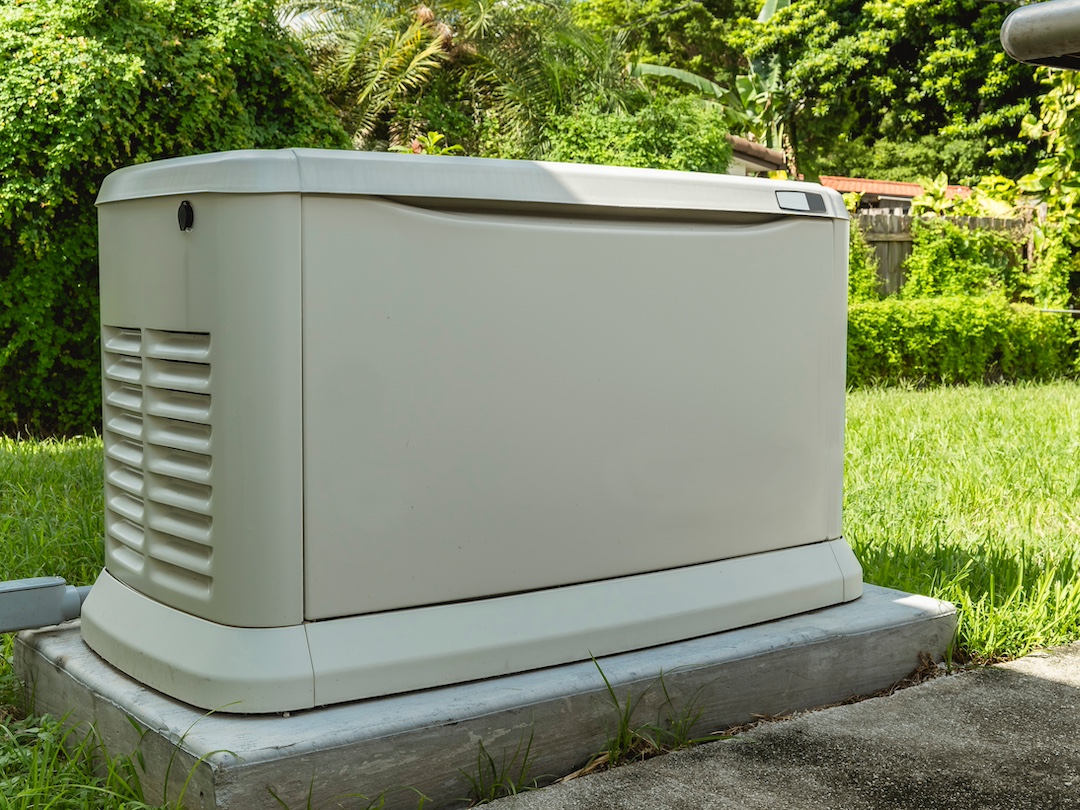
Standby Generator Wiring
We provide electrical wiring and connection support for standby generator systems, helping prepare your home for dependable automatic backup power.
Transfer Switch Installation
A transfer switch helps connect generator power safely while reducing the risk of dangerous backfeeding into utility lines.
Portable Generator Inlets
We install generator inlet boxes and dedicated wiring so portable generators can connect to your home more safely and conveniently.
Essential Circuit Planning
We help identify what you want powered during an outage, such as refrigerators, heat, sump pumps, lighting, internet, or key outlets.
Panel & Load Review
Before generator work begins, we review your panel, available capacity, electrical load, and installation requirements for safer planning.
Storm-Ready Electrical Work
Long Island outages can happen quickly. We install generator-ready electrical components so your home is better prepared before the next storm.
Not sure what generator setup your home needs? We can review your panel, generator type, transfer switch needs, and essential circuits before recommending the safest option.
Safe Generator Connections
Transfer Switches, Inlet Boxes & Generator-Ready Wiring
A generator should never be connected to your home with unsafe shortcuts. HomeOps Electric helps install safer generator connection options designed for your electrical system.
Transfer switches and generator inlet boxes give homeowners a safer way to bring backup power into the home. They help separate utility power from generator power and reduce the risk of dangerous backfeeding.
We review your panel, generator size, essential circuits, wiring route, and connection location before recommending the best setup for your home.
We Review Key Generator Details
- Generator type and power output
- Transfer switch requirements
- Generator inlet location
- Electrical panel condition
- Essential circuits to support
- Safe wiring route and placement
- Future backup power needs
Safer switching between utility power and generator power.
Cleaner portable generator connection points for your home.
Planning for outage season? HomeOps Electric can help make your home generator-ready with safer transfer switch wiring, inlet box installation, and panel planning.
Schedule an EstimateGenerator Options
Standby Generator or Portable Generator Setup?
The right generator setup depends on how much power you need, how automatic you want the system to be, and what parts of your home you want to keep running during an outage.
HomeOps Electric can help with electrical planning for standby generators, portable generator inlet boxes, transfer switches, dedicated wiring, and panel-ready backup power setups.
Outage planning starts before the storm.
The safest generator setup is planned ahead of time with the right wiring, connection method, transfer equipment, and essential circuit strategy.
Standby Generators
Standby generators are designed for more seamless backup power and are commonly used by homeowners who want a stronger long-term outage solution.
- Can support larger home power needs
- Often paired with automatic transfer equipment
- Better for frequent or extended outages
- Requires proper electrical planning and connection
Portable Generator Setups
Portable generators can be a practical option when connected safely through a properly installed inlet box and transfer switch setup.
- Lower-cost backup power option
- Useful for selected essential circuits
- Can use a generator inlet box connection
- Must be connected safely to avoid backfeeding
Not sure which generator setup fits your home? HomeOps Electric can review your outage needs, generator type, panel, transfer switch options, and essential circuits.
Request Generator HelpOur Generator Installation Process
How Generator Installation Planning Works
A safe generator setup starts with planning. HomeOps Electric reviews your panel, generator type, transfer equipment, wiring path, and backup power goals before installation.
Our goal is to make the process clear from the start, so you understand what your home needs, what equipment is involved, and how your generator connection will work when the power goes out.
Prepared before the next outage.
Generator work should not be rushed during a storm. Planning now helps your home stay safer, more organized, and better prepared when utility power fails.
Home Power Review
We review what you want to keep running during an outage, such as heat, refrigeration, sump pumps, lights, internet, or key outlets.
Panel & Equipment Check
We look at your electrical panel, generator type, available space, wiring needs, and transfer equipment requirements.
Installation Planning
We plan the wiring route, connection location, transfer switch or inlet box setup, and any panel-related work needed for a safer installation.
Install & Final Review
Our electricians complete the generator-ready electrical work and review the setup so you understand how your backup power connection works.
Need help planning backup power? HomeOps Electric can walk you through generator options, transfer switch needs, inlet box placement, and essential circuit planning.
Plan My Generator Setup


Generator Installation Near You
Generator Installation Across Suffolk County
HomeOps Electric provides generator-ready electrical work, transfer switch installation, generator inlet boxes, and backup power planning throughout Suffolk County.
Whether you are preparing for coastal storms, winter outages, summer grid stress, or everyday peace of mind, our electricians can help plan a safer generator setup based on your home’s electrical system and backup power needs.
Backup power for Long Island homes.
From Port Jefferson to Babylon, Huntington, Islip, Brookhaven, Smithtown, Southampton, and beyond, HomeOps Electric helps Suffolk County homeowners prepare for outages safely.
Featured Generator Service Areas
Use the existing town guides below to plan backup-power work at your property. Confirm scheduling with the office; Shelter Island visits also require an access and service-availability check.
Do not see your town listed? HomeOps Electric serves many additional Suffolk County communities. Reach out and we can confirm availability for generator installation support near you.
View All Service AreasGenerator FAQs
Questions About Generator Installation?
Generator installation should be planned carefully so your backup power setup is safe, practical, and ready when the utility goes out.
Here are common questions homeowners ask about standby generators, portable generator connections, transfer switches, inlet boxes, and generator-ready electrical work.
Need generator help?
HomeOps Electric can review your panel, generator type, transfer equipment, and essential circuit needs.
What type of generator setup is best for my home?
The best setup depends on your outage needs, generator size, electrical panel, and what you want to keep running. Some homeowners choose standby generators for more automatic backup power, while others choose portable generator setups with an inlet box and transfer switch for selected essential circuits.
Do I need a transfer switch for a generator?
In many cases, yes. A transfer switch helps separate utility power from generator power and reduces the risk of dangerous backfeeding. It is one of the most important safety components in a generator-ready electrical setup.
Can you install a portable generator inlet box?
Yes. HomeOps Electric can install generator inlet boxes and dedicated wiring for portable generator setups. This gives homeowners a cleaner and safer connection point than running extension cords through doors or windows.
Can a generator power my whole house?
Some standby generators can support a large portion of the home or the whole home, depending on generator size, electrical load, transfer equipment, and panel configuration. Smaller generator setups may be designed for selected essential circuits instead.
What circuits should I connect to backup power?
Common essential circuits include refrigerators, heating equipment, sump pumps, well pumps, lighting, internet equipment, medical equipment, garage doors, and key outlets. The right list depends on your home and generator capacity.
Can I plug a generator directly into my home?
A generator should not be connected to a home using unsafe shortcuts. Improper generator connections can create serious hazards, including backfeeding into utility lines. A licensed electrician can install proper transfer equipment and wiring for safer operation.
Do I need an electrician for generator installation?
Yes, generator-ready electrical work should be handled by a licensed electrician. Transfer switches, inlet boxes, dedicated wiring, panel connections, and backup power circuits need to be installed safely and in line with electrical code.
How long does generator installation take?
Timing depends on the type of generator setup, panel condition, transfer switch needs, wiring route, permit requirements, and whether additional electrical work is needed. A straightforward inlet or transfer switch project may be faster than a larger standby generator setup.
Ready for Backup Power?
Schedule Generator Installation in Suffolk County
HomeOps Electric can review your generator type, panel, transfer switch needs, inlet box location, and essential circuits so your home is better prepared before the next outage.
Serving Suffolk County and nearby Long Island communities with generator-ready wiring, transfer switches, inlet boxes, and backup power planning.
See What Customers Are Saying


Learn More with HomeOps
Power protection doesn’t stop at generator installation. Explore more expert resources from HomeOps Electric to help you make informed decisions about your home’s electrical system in Suffolk County.

Generator Size Planning Tool
What Size Generator Might Your Home Need?
Use this simple generator size calculator to get a rough idea of the generator range your home may need based on square footage and selected backup power needs.
This tool is meant for early planning only. Final generator sizing should always be confirmed with a professional load calculation that reviews your actual equipment, startup surge, panel setup, and backup power goals.
A calculator helps start the conversation.
Generator sizing depends on what you want to power. Essential circuits, comfort coverage, and whole-home backup power can require very different setups.
Enter square footage and select items to calculate.