Electrical Safety Guide
Flickering lights can be harmless in some situations, but they can also point to loose wiring, overloaded circuits, electrical panel issues, or other problems that should be checked by a licensed electrician.
If a light flickers once in a while, it may not seem like a big deal. Maybe it happens when your air conditioner turns on, when a refrigerator starts, or when a bulb is close to burning out. In many homes, minor flickering can be related to a simple bulb, fixture, switch, or appliance load.
However, flickering lights can also be a warning sign that something is wrong with the electrical system. If the flickering is frequent, affects multiple rooms, gets worse over time, or happens with buzzing, burning smells, warm outlets, or breaker trips, it is time to call a licensed electrician.
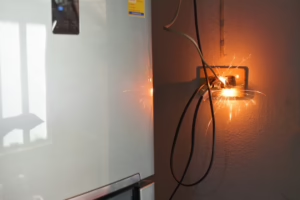
If your lights are flickering along with a burning smell, sparks, smoke, a buzzing electrical panel, or loss of power, treat it as urgent and call an electrician right away.
Why Are My Lights Flickering?
Lights flicker when the flow of electricity to a fixture changes. That change can happen for simple reasons, like a loose bulb or incompatible dimmer, or for more serious reasons, like loose wiring, a weak connection, an overloaded circuit, or a problem inside the electrical panel.
The most important thing is to look at the pattern. One flickering lamp is usually less concerning than lights flickering throughout the house. Flickering that happens only when a large appliance starts may have a different cause than random flickering that happens throughout the day.
Common Causes of Flickering Lights
- Loose or failing bulbs: A bulb that is not seated correctly, a bad socket, or a bulb near the end of its life can flicker.
- Dimmer compatibility issues: Some LED bulbs flicker when used with older dimmer switches that were not designed for LED lighting.
- Large appliances starting: Air conditioners, refrigerators, pumps, and other motors can briefly pull more power when they turn on.
- Overloaded circuits: Too many devices on one circuit can cause lights to dim or flicker when other equipment runs.
- Loose wiring: Loose connections at switches, fixtures, outlets, junction boxes, or the panel can create unsafe conditions.
- Electrical panel problems: Aging panels, loose breakers, corrosion, overheating, or undersized service can lead to recurring flickering.
- Utility-side issues: In some cases, flickering may be caused by the utility connection, transformer, service line, or neighborhood power issue.
When Flickering Lights Are Usually Less Serious
If only one light is flickering, the issue may be isolated to that bulb, fixture, switch, or dimmer. Start by checking whether the bulb is fully tightened and whether the bulb is compatible with the fixture and dimmer.
A quick, minor flicker when a large appliance starts can also be normal in some homes. For example, a central air conditioner may briefly pull more power at startup, causing lights to dim for a moment. If it is brief, mild, and not getting worse, it may not be an emergency.
Still, repeated or heavy dimming should be checked. If your lights noticeably drop every time the AC starts, or if the flickering affects multiple rooms, your home may need electrical troubleshooting, circuit evaluation, or panel review.
When Flickering Lights Are a Warning Sign
Flickering lights become more concerning when the issue affects multiple rooms, happens randomly, or appears with other electrical symptoms. This can point to a loose service connection, damaged wiring, overloaded circuits, or a problem inside the electrical panel.
Call an electrician if you notice:
- Lights flickering throughout the house.
- Flickering that happens even when appliances are not starting.
- Breaker trips along with flickering lights.
- Buzzing from switches, outlets, fixtures, or the panel.
- Warm outlets, warm switches, or discolored wall plates.
- A burning smell near lights, outlets, switches, or the panel.
- Power dropping in part of the home.
- Flickering that gets worse over time.
These symptoms should not be ignored. Loose electrical connections can generate heat, damage equipment, and create a fire risk.
Flickering Lights in One Room vs. the Whole House
Flickering in One Fixture
If one fixture flickers, the cause may be the bulb, socket, fixture wiring, switch, or dimmer. This is usually more localized, but it should still be checked if the flickering continues after replacing the bulb.
Flickering in One Room
If several lights in one room flicker, the issue could be related to that room’s circuit, switch leg, loose connection, overloaded circuit, or wiring path.
Flickering in Multiple Rooms
Flickering across several rooms is more concerning. It can point to a panel issue, service connection issue, shared neutral problem, overloaded electrical system, or utility-side problem.
Flickering Throughout the Whole House
Whole-house flickering should be evaluated as soon as possible. This may involve the main panel, service entrance, grounding, utility connection, or other high-level electrical components.
Can Flickering Lights Be Caused by the Utility Company?
Yes. Sometimes flickering lights are caused by utility-side issues, especially if neighbors are experiencing the same problem. Storms, damaged service lines, transformer issues, or utility grid problems can affect voltage coming into the home.
Even when the utility may be involved, a licensed electrician can help determine whether the issue is inside your home or outside at the service connection. If the problem appears to be utility-related, you may need to contact the utility company for service-side repair.
Should I Worry About Flickering LED Lights?
LED lights can flicker for reasons that are different from older incandescent bulbs. Common LED-related causes include incompatible dimmers, poor-quality bulbs, overloaded drivers, loose sockets, or voltage fluctuations.
If flickering happens only with one LED fixture or only when using a dimmer, the fix may be as simple as replacing the dimmer with an LED-compatible model or using bulbs approved for that fixture.
If many LED fixtures flicker throughout the home, it may not be a bulb problem. It could be related to wiring, circuit load, voltage fluctuation, or panel performance.
What an Electrician Checks When Lights Flicker
A licensed electrician will look for the source of the flickering instead of guessing. Depending on the symptoms, the inspection may include checking the fixture, switch, wiring connections, circuit load, breakers, panel condition, and voltage behavior when major appliances start.
HomeOps Electric may review:
- Whether the flickering is isolated or widespread.
- Bulb, fixture, switch, and dimmer compatibility.
- Circuit load and appliance startup demand.
- Loose wiring or damaged connections.
- Breaker condition and panel connections.
- Signs of overheating, arcing, or corrosion.
- Whether panel repair, a dedicated circuit, or a panel upgrade may be needed.
Do Flickering Lights Mean I Need a Panel Upgrade?
Not always. Flickering lights do not automatically mean your panel needs to be replaced or upgraded. The cause could be a fixture, dimmer, loose connection, or overloaded circuit.
However, a panel upgrade may be worth discussing if your home has an older panel, limited breaker space, frequent breaker trips, signs of overheating, heavy appliance loads, or plans for major electrical additions such as EV chargers, generators, heat pumps, or large renovations.
If your panel is older or showing warning signs, read more about electrical panel upgrades in Suffolk County.
What You Should Do If Your Lights Are Flickering
- Notice the pattern. Is it one light, one room, or the whole house?
- Check the simple causes. A loose bulb or incompatible dimmer may be the issue if only one fixture flickers.
- Pay attention to appliance timing. Does it happen when the AC, refrigerator, pump, or another motor starts?
- Look for warning signs. Burning smells, buzzing, warm outlets, breaker trips, or smoke need fast attention.
- Call a licensed electrician. If the issue is frequent, widespread, or getting worse, schedule electrical troubleshooting.
Related Electrical Services
Flickering lights may be related to a simple fixture issue, but they can also involve wiring, circuit, breaker, or panel problems. These related services may help:
- Electrical Repairs in Suffolk County
- Electrical Panel Repair in Suffolk County
- Electrical Panel Upgrades in Suffolk County
- Lighting and Fixture Installation in Suffolk County
Flickering Lights FAQ
Are flickering lights dangerous?
Sometimes they are harmless, but flickering lights can also be a warning sign of loose wiring, overloaded circuits, panel problems, or unsafe electrical connections. If flickering is frequent, widespread, or paired with burning smells, buzzing, warm outlets, or breaker trips, call an electrician.
Why do my lights flicker when the AC turns on?
A brief dim or flicker can happen when an air conditioner starts because the motor pulls extra power at startup. If the dimming is heavy, repeated, or affects multiple rooms, the circuit, panel, or electrical service should be checked.
Why do only my LED lights flicker?
LED flickering may be caused by incompatible dimmers, poor bulb compatibility, fixture issues, or voltage fluctuation. If one LED fixture flickers, the issue may be local. If many LEDs flicker, it may be an electrical system issue.
Can a bad breaker cause flickering lights?
Yes. A loose, worn, damaged, or overheating breaker can contribute to flickering lights. Breaker and panel issues should be checked by a licensed electrician.
Should I call an electrician for flickering lights?
Call an electrician if flickering affects multiple rooms, happens often, gets worse, causes breaker trips, or appears with buzzing, burning smells, warm outlets, or power loss. These can be signs of a more serious electrical problem.
Need Help With Flickering Lights?
HomeOps Electric provides electrical troubleshooting, repairs, panel inspections, lighting repairs, and 24/7 emergency electrical service throughout Suffolk County and nearby Long Island communities.