Electrical Safety Guide
A warm outlet can be a warning sign of an overloaded circuit, loose wiring, damaged receptacle, faulty plug, or another electrical issue that should be checked before it becomes more serious.
Electrical outlets should not feel hot. A slightly warm outlet may happen in certain situations, especially when a high-demand device is plugged in, but noticeable heat is not something to ignore. If an outlet, switch, plug, or wall plate feels warm or hot to the touch, it may point to an unsafe electrical condition.
The important thing is to look at the full picture. Is one outlet warm, or are multiple outlets warm? Does it happen only when a specific appliance is plugged in? Is there a burning smell, buzzing, discoloration, flickering lights, or breaker trips? These details help determine whether the issue is minor or urgent.
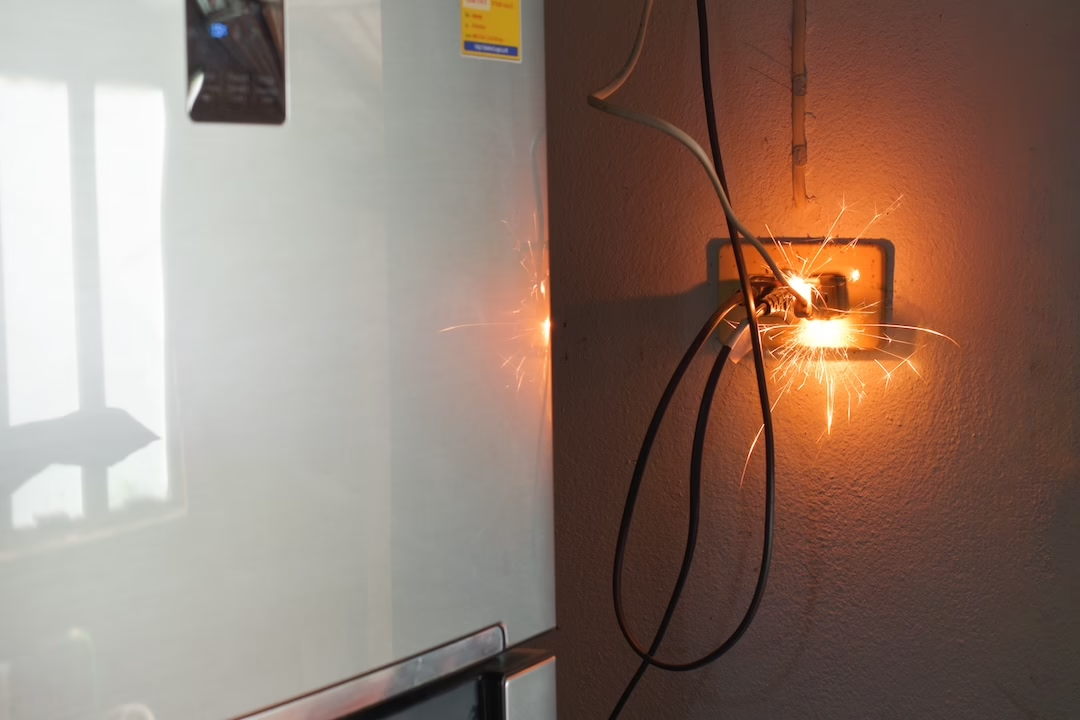
If an outlet feels hot, smells like burning, sparks, buzzes, or has discoloration around the wall plate, stop using it and call a licensed electrician.
Is It Normal for an Outlet to Feel Warm?
In most cases, outlets should stay cool during normal use. A small amount of warmth may be possible when certain electronics, chargers, or appliances are drawing power, but the outlet should never feel hot, smell unusual, or show signs of melting or discoloration.
A warm outlet can mean there is resistance somewhere in the connection. Resistance creates heat. That heat may come from a loose wire, worn receptacle, overloaded circuit, damaged plug, poor connection, or appliance issue.
If the warmth continues after unplugging the device, or if the outlet gets warm again when anything is plugged in, have it inspected.
Common Causes of Warm Outlets
- Overloaded circuit: Too many devices or high-demand appliances on one circuit can create heat and stress the wiring.
- Loose wiring: Loose connections inside the outlet box can create resistance, arcing, and heat.
- Worn outlet: Older outlets can lose tension, causing plugs to fit loosely and create poor contact.
- Damaged plug or cord: A faulty plug, adapter, extension cord, or power strip can heat up and affect the outlet.
- High-wattage appliance: Space heaters, microwaves, air conditioners, hair dryers, and similar loads can strain circuits.
- Backstabbed wiring: Some outlets are wired using push-in connections that can loosen over time.
- Older wiring: Older wiring systems may need special attention, especially if outlets are warm or discolored.
- Breaker or panel issue: Heat at outlets may sometimes be connected to circuit, breaker, or panel problems.
When a Warm Outlet May Be Less Serious
If one outlet feels slightly warm while a large device is running, the issue may be related to the appliance or the amount of power being used. For example, a charger, computer equipment, or kitchen appliance may produce some warmth during use.
However, even if the issue seems minor, the outlet should cool down after the device is unplugged. If it stays warm, gets hot, or has any odor, buzzing, sparking, or discoloration, stop using the outlet.
It is also worth paying attention to whether the plug feels loose. A loose plug can create poor contact inside the receptacle, which can generate heat. Replacing the outlet may be needed, but the wiring should be checked too.
When a Warm Outlet Is a Warning Sign
A warm or hot outlet can become a serious electrical hazard, especially when heat is caused by loose wiring, arcing, overload, or damaged components. These issues should be handled by a licensed electrician.
Call an electrician if you notice:
- The outlet feels hot instead of slightly warm.
- The wall plate is warm, discolored, cracked, or melted.
- There is a burning smell near the outlet.
- The outlet sparks when plugging in or unplugging a device.
- You hear buzzing, sizzling, or crackling.
- The plug fits loosely or falls out easily.
- The breaker trips when using the outlet.
- Lights flicker when the outlet is used.
- Multiple outlets on the same circuit feel warm.
Do not continue using a hot outlet. Unplug devices if it is safe to do so and contact an electrician for inspection and repair.
What Should You Do If an Outlet Feels Warm?
- Unplug the device. If the outlet feels warm or hot, stop using it until the cause is known.
- Check the plug and cord. Look for damage, melting, looseness, or unusual smell.
- Do not use extension cords as a fix. Extension cords and power strips can add more load and create more risk.
- Watch for warning signs. Burning smell, sparks, buzzing, discoloration, or breaker trips need fast attention.
- Call a licensed electrician. A professional can check the outlet, wiring, circuit, and panel.
Can a Warm Outlet Cause a Fire?
Yes, a warm or hot outlet can be a fire risk depending on the cause. Heat can build up when electrical connections are loose, damaged, overloaded, or arcing. Over time, that heat can damage wiring insulation, melt plastic parts, and create unsafe conditions inside the wall.
A hot outlet should not be treated as normal. If you notice heat, burning smells, discoloration, smoke, or sparks, the outlet should not be used until it is inspected.
Why Does My Outlet Feel Warm When Using a Space Heater?
Space heaters use a lot of power and can put heavy demand on a circuit. If an outlet gets warm when a space heater is plugged in, the circuit may be overloaded, the outlet may be worn, or the heater may not be appropriate for that outlet.
Space heaters should generally be plugged directly into a wall outlet, not into an extension cord or power strip. If the outlet feels warm, the plug feels loose, or the breaker trips, stop using the heater on that outlet and have the circuit checked.
Why Does My Outlet Feel Warm With a Phone Charger?
Some chargers can feel slightly warm during use, but the wall outlet itself should not become hot. If the charger is warm but the outlet is cool, the charger may simply be generating normal operating heat.
If the outlet, wall plate, or plug area feels warm or hot, there may be a loose connection, worn outlet, damaged charger, or wiring issue. Try unplugging the charger and avoid using that outlet until it is checked if the warmth continues.
Warm Outlet vs. Warm Switch
A warm light switch can sometimes happen with certain dimmer switches, especially older dimmers controlling higher lighting loads. However, a switch should not feel hot, smell like burning, buzz loudly, or show discoloration.
If a standard switch feels warm, or if a dimmer feels unusually hot, call an electrician. The issue may involve the switch rating, wiring, lighting load, or compatibility with LED fixtures.
Could the Circuit Be Overloaded?
An overloaded circuit happens when the devices connected to that circuit demand more power than the circuit can safely handle. This can lead to warm outlets, breaker trips, dimming lights, buzzing, or damaged wiring.
Common overload situations include space heaters, kitchen appliances, window AC units, hair dryers, power tools, and multiple devices connected through power strips. If the same breaker trips repeatedly or outlets get warm when certain devices run, the circuit should be evaluated.
Could the Outlet Be Old or Worn Out?
Yes. Outlets wear down over time. If plugs no longer fit tightly, the outlet may not be making secure contact. Loose contact can create heat and increase the risk of arcing.
Replacing a worn outlet may solve the issue, but the wiring and box should be checked as part of the repair. If the outlet was hot, discolored, or buzzing, the electrician should inspect for damage beyond the receptacle itself.
What an Electrician Checks When an Outlet Feels Warm
A licensed electrician will look for the source of the heat instead of only replacing the visible outlet. The issue may be inside the receptacle, inside the wiring connections, at the breaker, or related to the load on the circuit.
HomeOps Electric may review:
- The outlet, wall plate, and plug condition.
- Whether the plug fits securely in the receptacle.
- Wiring connections inside the outlet box.
- Signs of arcing, overheating, melting, or discoloration.
- The circuit load and devices being used.
- Breaker condition and panel connections.
- Whether a dedicated circuit is needed for high-demand equipment.
- Whether additional outlet or wiring repairs are needed.
Do Warm Outlets Mean I Need a Panel Upgrade?
Not always. A warm outlet does not automatically mean your panel needs to be upgraded. The problem may be a worn outlet, loose connection, overloaded circuit, faulty device, or damaged wiring.
However, panel work may be worth discussing if you have frequent breaker trips, multiple overloaded circuits, older wiring, limited capacity, signs of overheating, or plans for larger electrical additions such as EV chargers, generators, heat pumps, or renovations.
If your panel is older or showing warning signs, read more about electrical panel upgrades in Suffolk County.
What Not to Do With a Warm Outlet
- Do not keep using an outlet that feels hot.
- Do not cover the outlet or ignore discoloration.
- Do not plug a space heater into a power strip or extension cord.
- Do not assume replacing the outlet alone fixes the issue.
- Do not reset a breaker repeatedly without finding the cause.
Related Electrical Services
A warm outlet may be a simple receptacle issue, but it can also involve wiring, circuit, breaker, or panel problems. These related services may help:
- Electrical Repairs in Suffolk County
- Electrical Panel Repair in Suffolk County
- Electrical Panel Upgrades in Suffolk County
- Electrical Wiring in Suffolk County
Warm Outlet FAQ
Is it dangerous if an outlet feels warm?
It can be. A slightly warm outlet may happen with certain loads, but an outlet that feels hot, smells like burning, buzzes, sparks, or has discoloration should be inspected by a licensed electrician.
Should I stop using a warm outlet?
Yes. If an outlet feels warm or hot, unplug devices from it if it is safe to do so and avoid using it until the cause is known.
Why does my outlet get warm with a space heater?
Space heaters draw a lot of power and can overload circuits or expose weak outlet connections. If the outlet warms up, the circuit and receptacle should be checked before the heater is used again.
Can a loose outlet cause heat?
Yes. A loose outlet or loose wiring connection can create resistance and heat. It can also increase the risk of arcing, damage, and fire.
Do warm outlets mean bad wiring?
Warm outlets can be caused by bad wiring, loose connections, overloaded circuits, worn receptacles, damaged plugs, or appliance issues. An electrician can test the outlet and circuit to find the cause.
Need Help With a Warm Outlet?
HomeOps Electric provides outlet troubleshooting, electrical repairs, wiring checks, panel inspections, and 24/7 emergency electrical service throughout Suffolk County and nearby Long Island communities.