Electrical Safety • Suffolk County, NY
Electrical problems do not always begin with a complete power failure. Your home may give you smaller warning signs first: a breaker that suddenly starts tripping, an outlet that feels warm, lights that flicker across several rooms, a buzzing sound near the panel, or an unexplained burning odor.
Some electrical symptoms have simple explanations. Others can point to loose connections, overloaded circuits, damaged wiring, failing electrical equipment, or problems with the electrical service supplying your home.
The important part is knowing which warning signs should not be brushed off.
Here are 10 electrical symptoms Suffolk County homeowners should take seriously, what they may mean, and when it is time to call a licensed electrician.
Electrical Warning Signs at a Glance
- Breakers that repeatedly trip
- Flickering or dimming lights
- Warm or hot outlets and switches
- Burning or unusual electrical odors
- Buzzing, sizzling, or crackling sounds
- Sparks or visible arcing
- Loose or discolored outlets
- Shocks or tingling from electrical devices
- Partial power loss
- Heat, rust, moisture, or unusual behavior at the electrical panel
If a symptom is sudden, severe, getting worse, or accompanied by smoke, visible damage, excessive heat, or sparking, stop using the affected equipment and have the problem evaluated.
Why Electrical Warning Signs Matter
Much of your home’s electrical system is hidden behind walls, above ceilings, and inside electrical boxes and panels. That means homeowners usually cannot see a loose connection or damaged conductor developing inside the system.
What you can often see, hear, smell, or feel are the symptoms.
The Electrical Safety Foundation International identifies repeated breaker trips, dimming or flickering lights, sparks, unusual buzzing, overheating, electrical shocks, and damaged wiring among the warning signs of home electrical hazards.
The U.S. Consumer Product Safety Commission similarly advises homeowners to pay attention to problems involving breakers, panels, outlets, switches, cords, wiring, heat, sparks, unusual sounds, and other changes in the home’s electrical system.
Electrical problems rarely improve because they are ignored. If something in your electrical system suddenly starts behaving differently, there is usually a reason.
1. Your Circuit Breaker Keeps Tripping
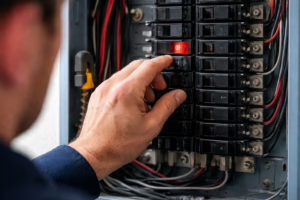
Circuit breakers are designed to interrupt electrical flow when a circuit reaches a condition it should not continue operating under.
An occasional breaker trip can happen when too many high-demand devices are used on the same circuit.
A breaker that repeatedly trips is different.
Repeated trips may be related to:
- An overloaded circuit
- A short circuit
- A ground fault
- A faulty appliance
- Damaged wiring
- A loose electrical connection
- A failing breaker
- A larger electrical capacity problem
Resetting the Breaker Is Not the Repair
If the same breaker continues to trip during normal use, the goal should be to determine what is causing the trip rather than repeatedly resetting the breaker.
2. Lights Keep Flickering or Dimming
One flickering light may be related to a bulb, fixture, switch, or dimmer.
Flickering that affects multiple fixtures, several rooms, or different circuits deserves more attention.
Possible causes can include:
- Loose electrical connections
- A problem on an individual circuit
- Electrical panel issues
- Service connection problems
- Large changes in electrical demand
- Utility-side voltage issues
The pattern matters. Pay attention to whether the flickering happens constantly, only when certain equipment starts, throughout the house, or only in one area.
Read our full guide: Flickering Lights in Your House: Common Causes .
3. An Outlet or Switch Feels Warm
Outlets and switches should not suddenly become noticeably hot during normal use.
Excessive heat may be associated with:
- A loose connection
- A worn receptacle
- Excessive electrical load
- Damaged wiring
- A failing device
- Another problem creating resistance and heat
Be especially cautious if the warmth appears with:
- Discoloration
- A burning smell
- Buzzing or crackling
- Loose plugs
- Sparking
- Repeated breaker trips
If you are experiencing this problem, see: Outlet Feels Warm? What It Means and When to Call an Electrician .
4. You Smell Burning or Overheated Plastic
A burning smell with no obvious source should never be dismissed when electrical equipment is nearby.
Electrical overheating may occur at:
- An outlet
- A switch
- An appliance connection
- A junction or wiring connection
- A breaker
- The electrical panel
An odor resembling hot plastic, melting insulation, or overheated electrical equipment can indicate that something is generating excessive heat.
Burning Odor + Heat, Smoke, or Sparking
If you notice smoke, visible sparking, severe overheating, or another immediate electrical hazard, avoid using the affected equipment and treat the situation seriously.
If there is an active fire or immediate threat to people or property, leave the area and contact emergency services.
5. You Hear Buzzing, Sizzling, or Crackling
Your electrical system should generally operate quietly.
Sudden buzzing, sizzling, crackling, or popping from an outlet, switch, fixture, breaker, or electrical panel can indicate a loose or failing connection.
Pay particular attention to sounds coming from:
- The electrical panel
- A breaker
- An outlet
- A wall switch
- A light fixture
- A permanently connected appliance
A component does not need to completely stop working before something is wrong with it.
New electrical sounds are worth investigating, especially when they occur with heat, flickering, tripping breakers, or burning odors.
6. You See Sparks or Electrical Arcing
You may occasionally notice a tiny, brief spark when plugging certain devices into an outlet because the device begins drawing electricity as the plug makes contact.
Large sparks, repeated sparking, flashes from an outlet or switch, or visible arcing elsewhere in the electrical system are different.
Sparking can be associated with:
- Loose connections
- Damaged electrical devices
- Worn wiring
- Short circuits
- Faulty equipment
- Electrical arcing
If an outlet, switch, panel, or other electrical component is repeatedly sparking, stop using the affected equipment and have the problem diagnosed.
7. Outlets Are Loose, Discolored, or Damaged
Electrical outlets get used thousands of times over the life of a home.
Eventually, receptacles can wear out.
Warning signs include:
- Plugs that fall out easily
- Cracked or broken outlet faces
- Brown or dark discoloration
- Scorch marks
- An outlet moving inside the wall
- Intermittent power
- Buzzing
- Heat
A plug that no longer fits securely can also create a poor electrical connection.
Damaged or worn outlets should be evaluated rather than ignored or continually worked around with adapters and extension cords.
8. You Feel a Shock or Tingling Sensation
A shock or tingling sensation when touching an electrical appliance, outlet, switch, fixture, or other equipment should not be considered normal.
Electrical shock symptoms can be associated with:
- Faulty equipment
- Damaged wiring
- Improper grounding
- A ground fault
- Moisture interacting with electrical components
- Another wiring or connection problem
ESFI specifically identifies even a mild electrical tingle as a potential warning sign of an electrical hazard.
Stop using equipment that appears to be producing an electrical shock until the cause has been identified.
9. Part of Your House Suddenly Loses Power
A neighborhood-wide outage is usually obvious.
A different situation occurs when part of your house loses power while other areas continue working.
First, check whether a circuit breaker has tripped or a GFCI needs to be reset.
If several circuits remain without power or the cause is not obvious, the issue may involve:
- The electrical panel
- A service connection
- Electrical service equipment
- A damaged connection
- Part of the utility supply
Partial power loss affecting multiple circuits is a good reason to have the system professionally evaluated rather than opening the panel or attempting electrical repairs yourself.
10. Something About Your Electrical Panel Does Not Look, Sound, or Smell Right
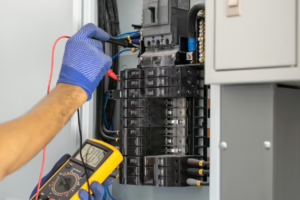
The electrical panel is the distribution point for circuits throughout your home, making unusual panel symptoms particularly important.
Watch for:
- Repeatedly tripping breakers
- Buzzing or crackling
- Burning odors
- Unusual heat
- Rust or corrosion
- Signs of moisture
- Visible damage
- Multiple electrical problems occurring throughout the house
- Very limited space for additional circuits
Homeowners should not remove the electrical panel cover or attempt to repair components inside the panel.
If the issue involves the panel itself, HomeOps provides:
How Urgent Is Your Electrical Problem?
Not every electrical symptom has the same level of urgency. This table can help homeowners think about the next step without trying to diagnose the actual electrical problem themselves.
| What You Notice | Recommended Next Step |
|---|---|
| One bulb occasionally flickers | Check the bulb and fixture. If the problem continues or spreads to other fixtures, schedule troubleshooting. |
| Breaker trips once after heavy electrical use | Reduce the load and reset the breaker once. If it trips again, have the circuit checked. |
| Breaker repeatedly trips | Schedule electrical troubleshooting rather than repeatedly resetting it. |
| Outlet feels unusually warm | Stop using the outlet if it appears unsafe and have it evaluated. |
| Multiple rooms flicker or dim | Schedule electrical troubleshooting, especially if the issue is frequent or worsening. |
| Buzzing or crackling from panel or outlet | Avoid using affected equipment and have the electrical system checked promptly. |
| Burning electrical smell | Stop using the affected equipment or circuit if it can be done safely and contact an electrician. |
| Smoke, active sparking, or fire | Keep away from the affected equipment. If there is an active fire or immediate danger, leave the area and contact emergency services. |
Do Electrical Problems Appear When Large Equipment Turns On?
Another useful clue is when the problem occurs.
Homeowners sometimes notice lights dimming, breakers tripping, or other changes when high-demand equipment starts.
This can happen with equipment such as:
- Central air conditioning
- Heat pumps
- Electric ranges
- Dryers
- Pool equipment
- Hot tubs
- Workshop equipment
- Level 2 EV chargers
A very brief voltage change when a large motor starts can occur in some homes. Significant dimming, repeated breaker trips, or electrical problems that affect much of the house deserve further evaluation.
If your lights noticeably change when the air conditioner starts, read: Lights Dim When the AC Turns On: Is It Normal? .
Older Suffolk County Homes Deserve Extra Attention
The age of a house alone does not mean its electrical system is unsafe.
However, older homes can contain a combination of original wiring, previous renovations, additions, equipment replacements, and electrical work performed at different points over many decades.
ESFI recommends considering an electrical inspection when a home is 40 or more years old, when a home more than 10 years old has undergone a major renovation or received a major new appliance, or when purchasing a previously owned home.
An electrical evaluation can also make sense when you are planning to add substantial new electrical demand, such as:
- A Level 2 EV charger
- Major HVAC equipment
- A renovated kitchen
- A home addition
- Pool or hot tub equipment
- Electric cooking equipment
- A workshop
- Additional living space
Your Home Does Not Need to Be Failing to Need an Evaluation
An electrical system can still be operating while showing signs that it is aging, overloaded, damaged, or no longer well matched to the home’s electrical needs.
What Can You Check Yourself?
Electrical safety does not mean homeowners need to diagnose wiring problems themselves.
Reasonable homeowner checks include:
- Noticing which breaker has tripped
- Checking whether a GFCI needs to be reset
- Replacing an appropriate light bulb
- Checking visible cords for damage
- Observing whether an outlet feels unusually warm
- Noting when flickering or power loss occurs
- Looking for visible damage without opening electrical equipment
Once troubleshooting requires opening wiring, removing an electrical panel cover, replacing breakers, altering circuits, or working around energized electrical components, call a qualified electrician.
For a complete breakdown, see: DIY Electrical Work vs. Hiring an Electrician .
Related HomeOps Electrical Troubleshooting Guides
If one of these warning signs sounds familiar, these HomeOps resources go deeper into some of the most common electrical problems Suffolk County homeowners encounter.
- Outlet Feels Warm? What It Means and When to Call an Electrician
- Flickering Lights in Your House: Common Causes
- Lights Dim When the AC Turns On: Is It Normal?
- DIY Electrical Work vs. Hiring an Electrician
- Electrical Panel Repair in Suffolk County
- Electrical Panel Upgrades in Suffolk County
- Electrical Repairs & Troubleshooting in Suffolk County
Seeing One of These Electrical Warning Signs?
HomeOps Electric provides electrical troubleshooting and repair services throughout Suffolk County, Long Island.
Our electricians diagnose tripping breakers, warm outlets, flickering lights, dead circuits, electrical panel problems, unusual electrical odors, partial power loss, wiring issues, and other residential electrical problems.
We also handle electrical panel repairs and upgrades, new circuits, EV charger installations, generators, lighting, rewiring, surge protection, and larger residential electrical projects.
HomeOps Electric is licensed and insured in Suffolk County under License #5153ME.
Electrical Warning Sign FAQs
What are the most common signs of an electrical problem?
Common warning signs include repeatedly tripping breakers, flickering or dimming lights, warm outlets, burning electrical odors, buzzing or crackling, sparking, loose or discolored outlets, electrical shocks, partial power loss, and unusual heat or sounds coming from the electrical panel.
Is a circuit breaker that keeps tripping dangerous?
A repeatedly tripping breaker should not be ignored. The breaker may be responding to an overloaded circuit, short circuit, ground fault, faulty appliance, damaged wiring, failing breaker, or another electrical problem. Have the circuit evaluated rather than repeatedly resetting the breaker.
Should an electrical outlet ever feel warm?
An outlet that becomes noticeably warm or hot deserves attention, especially when the heat appears with discoloration, a burning odor, buzzing, sparking, loose plugs, or repeated breaker trips. Stop using an outlet that appears damaged or unsafe and have the cause investigated.
Why are lights flickering throughout my house?
Whole-home or multi-room flickering can be related to loose connections, circuit problems, the electrical panel, electrical service equipment, changes in electrical demand, or sometimes the utility supply. Frequent or worsening flickering should be professionally diagnosed.
Is buzzing from an electrical panel normal?
Electrical equipment can sometimes produce a faint operating hum, but new, loud, persistent, sizzling, crackling, or unusual buzzing from a panel or breaker should be investigated, particularly if it occurs with heat, odor, flickering, or tripping breakers.
What causes a burning electrical smell?
A burning or overheated-plastic odor can be associated with an overheating outlet, switch, wiring connection, breaker, appliance connection, or electrical panel component. Stop using affected equipment if it can be done safely and have the source identified.
Why did only part of my house lose power?
First check for a tripped breaker or GFCI. If several circuits remain without power, the cause may involve the panel, electrical service, a damaged connection, or the utility supply. Partial power loss affecting multiple circuits should be professionally evaluated.
When should I call an electrician immediately?
Significant overheating, burning electrical odors, visible sparking, smoke, arcing sounds, sudden widespread electrical failure, or another condition that appears unsafe should receive prompt attention. Avoid affected equipment. If there is an active fire or immediate threat to people or property, leave the area and contact emergency services.
The Bottom Line
Your electrical system does not have to completely stop working before something is wrong.
Repeated breaker trips, flickering lights, warm outlets, burning odors, buzzing, sparks, shocks, partial power loss, and unusual electrical panel behavior are all signs worth taking seriously.
Pay attention when something changes. If the symptom repeats, affects multiple areas of the home, creates heat, smells unusual, or involves the electrical panel, have a licensed electrician determine what is causing it.