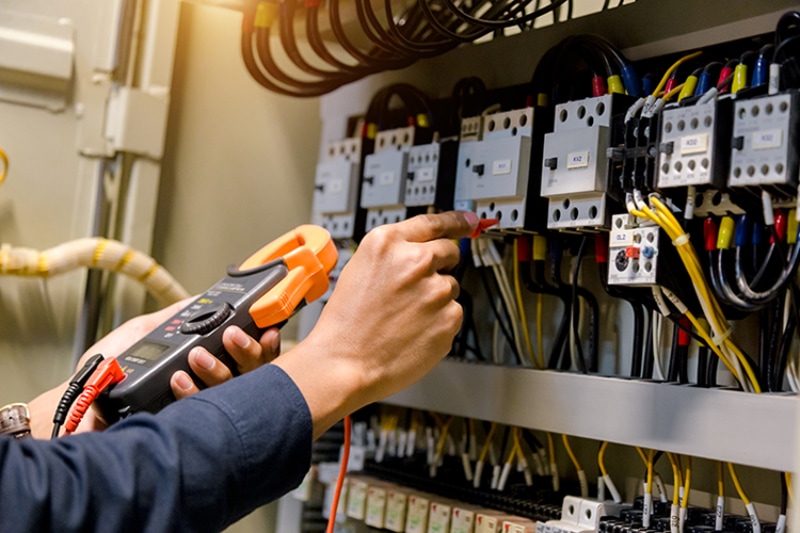
Home Electrical Safety • Suffolk County, NY
Your home’s electrical system works quietly behind the walls every day, powering everything from lights and appliances to air conditioning, home offices, EV chargers, and modern electronics. A little routine attention can help you recognize problems early, avoid overloading older electrical systems, and know when it is time to call a licensed electrician.
Electrical maintenance does not mean opening your electrical panel or attempting wiring repairs yourself. For most homeowners, it means paying attention to changes, testing built-in safety devices, checking visible cords and outlets, and scheduling professional troubleshooting when something does not seem right.
This guide covers the electrical safety checks Suffolk County homeowners can perform themselves, warning signs that should not be ignored, and situations where a professional electrical inspection may make sense.
Quick Home Electrical Maintenance Checklist
- Test GFCI outlets using their TEST and RESET buttons.
- Pay attention to breakers that trip more than once.
- Check outlets and switches for unusual warmth, discoloration, or looseness.
- Replace damaged extension cords and appliance cords.
- Do not run extension cords under rugs or use them as permanent wiring.
- Watch for flickering or dimming lights that are becoming more frequent.
- Make sure major appliances are not relying on extension cords.
- Check that plugs fit securely into outlets.
- Make sure smoke and carbon monoxide alarms are functioning properly.
- Consider the condition and capacity of your electrical panel before adding major new electrical equipment.
Why Electrical Maintenance Matters
Unlike a leaking faucet or broken appliance, many electrical problems begin where you cannot easily see them. Loose connections, worn devices, overloaded circuits, aging breakers, and outdated wiring can develop behind outlets, inside junction boxes, or within the electrical panel.
The goal of electrical maintenance is not to take apart the system looking for trouble. It is to recognize the visible clues that may indicate something deeper is happening.
The U.S. Fire Administration recommends practices such as avoiding overloaded outlets, replacing damaged electrical cords, keeping cords from being pinched under rugs, and plugging major appliances directly into wall outlets.
Your electrical system does not have to completely fail before it gives you warning signs. Changes in how lights, outlets, breakers, or appliances behave can be the first indication that something needs attention.
Electrical Safety Checks You Can Do Around the House
You do not need electrical tools or technical experience to keep an eye on the condition of your electrical system.
These simple visual and functional checks can help identify problems before they become more serious.
Test Your GFCI Outlets
Ground-fault circuit interrupters, or GFCIs, are designed to quickly shut off power when they detect electrical current flowing along an unintended path.
They are commonly found in areas where electricity and moisture may be near each other, including bathrooms, kitchens, garages, basements, and outdoor locations.
The Electrical Safety Foundation International recommends testing GFCIs every month.
- Press the TEST button.
- The outlet should shut off power.
- Press the RESET button.
- Power should return.
If a GFCI does not trip when tested, will not reset, repeatedly trips, or behaves inconsistently, have it checked by a qualified electrician rather than assuming the protection is working correctly.
Check Outlets and Switches for Heat
Outlets and switches should not become noticeably hot during normal use.
Pay attention to:
- Warm or hot outlet covers
- Discoloration around the receptacle
- A burning or unusual odor
- Buzzing or crackling
- Loose plugs that no longer stay securely in the outlet
- Sparking that happens during normal use
Heat can be related to a loose connection, damaged receptacle, excessive electrical load, worn wiring, or another problem that should be diagnosed properly.
If you have noticed this problem, read our guide: Outlet Feels Warm? What It Means and When to Call an Electrician .
Watch for Breakers That Keep Tripping
A circuit breaker is designed to interrupt electrical flow when it detects a condition the circuit should not continue operating under.
One occasional trip may have a simple explanation, such as too many high-demand devices being used on the same circuit.
A breaker that trips repeatedly deserves more attention.
Recurring trips may be related to:
- An overloaded circuit
- A short circuit
- A ground fault
- A faulty appliance
- Damaged or loose wiring
- A failing breaker
- A larger electrical panel or capacity issue
Don’t Keep Resetting a Breaker Without Finding the Cause
If a breaker trips again after being reset, or the same breaker trips frequently, stop treating the reset as the solution. The breaker may be responding to a real electrical problem that needs to be diagnosed.
Pay Attention to Flickering or Dimming Lights
An occasional flicker from one bulb may be caused by the bulb, fixture, switch, or dimmer.
Flickering that affects several rooms, happens frequently, becomes more noticeable over time, or appears alongside other electrical symptoms can point to a circuit, wiring, panel, service, or utility issue.
Learn more in our guide to flickering lights in your house .
Also pay attention to what happens when high-demand equipment starts. A very brief light dip when an air conditioner starts can occur in some homes, but heavy or repeated dimming may indicate a problem.
If that sounds familiar, see: Lights Dim When the AC Turns On: Is It Normal? .
Inspect Electrical and Extension Cords
Visible cords are one of the easiest parts of the electrical system to inspect.
Replace cords that have:
- Cracked or brittle insulation
- Exposed wiring
- Damaged plugs
- Loose connections
- Burn marks or melted areas
Extension cords should be treated as temporary power solutions, not substitutes for permanent outlets.
Avoid running cords underneath rugs, through doorways where they can be pinched, or in locations where furniture can damage them.
Avoid Overloading Outlets and Power Strips
Modern homes have more electronics than ever, but adding another power strip does not increase the amount of electricity a circuit can safely provide.
Be especially careful with high-demand equipment such as:
- Portable heaters
- Window and portable air conditioners
- Microwaves
- Refrigerators and freezers
- Large kitchen appliances
- Workshop equipment
- Hair dryers and bathroom appliances
If you routinely need extension cords, splitters, or multiple power strips to supply one area of your home, the better long-term solution may be additional outlets or dedicated circuits.
A Practical Electrical Maintenance Schedule
You do not need to obsess over your electrical system every week. A few recurring checks can make it easier to notice when something changes.
| When | What to Check | What to Watch For |
|---|---|---|
| Monthly | GFCI outlets | Will not trip, will not reset, or repeatedly loses power |
| Regularly | Frequently used outlets and switches | Heat, looseness, discoloration, buzzing, sparks, or odors |
| Regularly | Extension and appliance cords | Cracks, exposed wiring, melted areas, or damaged plugs |
| When Breakers Trip | Notice which circuit and what was running | Repeated trips or trips without an obvious temporary overload |
| Seasonally | Outdoor outlets, lighting, cords, and equipment | Water damage, damaged covers, loose devices, or non-working GFCIs |
| Before Major Upgrades | Electrical panel and available capacity | Limited breaker space, older equipment, or insufficient service capacity |
| Any Time Something Changes | Lights, breakers, outlets, panel, and appliances | New heat, odor, sound, flickering, power loss, or electrical behavior |
Don’t Forget About Your Electrical Panel
Your electrical panel distributes power to circuits throughout the house. It is also one of the most important places to pay attention when your home’s electrical needs begin to change.
Homeowners should not remove the panel cover or attempt repairs inside the panel. However, you can pay attention to how the system behaves.
Possible panel warning signs include:
- Breakers that trip repeatedly
- Buzzing or crackling sounds
- A burning smell near the panel
- Visible rust, corrosion, or moisture
- A panel or breaker that feels unusually warm
- Multiple circuits experiencing problems
- Lights flickering throughout the house
- Limited room for new circuits
- An older electrical service struggling with modern electrical demand
Some panel problems can be repaired. Others may indicate that the panel has reached the point where replacement or a larger electrical service makes more sense.
HomeOps provides both electrical panel repair and electrical panel upgrades throughout Suffolk County .
Has Your Home’s Electrical Demand Changed?
Electrical maintenance is not only about repairing worn equipment. It also means making sure the system still fits the way you use your home today.
A house that was adequately powered decades ago may now be supporting much more equipment.
Modern electrical loads may include:
- Central air conditioning
- Heat pumps
- Electric ranges and ovens
- Multiple refrigerators and freezers
- Home offices
- Computer and entertainment systems
- Pool and spa equipment
- Level 2 EV chargers
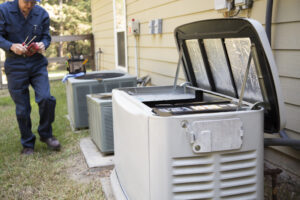
- Standby generators and transfer equipment
- Renovated kitchens
- Workshops
- Additional living spaces
Before adding a major electrical load, it can be helpful to have the existing panel, circuits, and overall electrical capacity evaluated.
An Electrical System Can Work and Still Be Outgrowing the Home
You do not have to wait for the power to fail before thinking about capacity. Limited breaker space, recurring overloads, an older 100-amp service, or plans for EV charging, HVAC upgrades, generators, and renovations can all be reasons to evaluate whether the existing electrical system still fits the home’s needs.
Consider Whole-Home Surge Protection
Today’s homes contain expensive electronics in far more places than just televisions and computers.
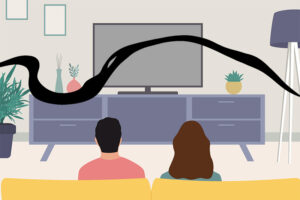
HVAC equipment, appliances, smart home devices, chargers, entertainment systems, and other electronics can all be affected by voltage surges.
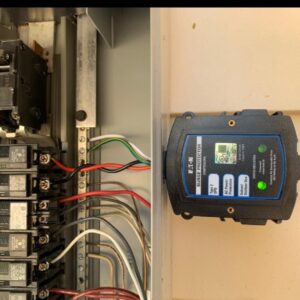
Plug-in surge strips can help protect individual devices, but homeowners can also consider whole-home surge protection installed at the electrical system.
Whole-home protection can be especially worth discussing when upgrading a panel, installing new high-value equipment, or modernizing an older electrical system.
Check Smoke and Carbon Monoxide Alarms Too
Electrical safety is part of a larger home safety plan.
Make sure smoke and carbon monoxide alarms are installed where required, working properly, and replaced when they reach the end of their usable life.
If your home needs new hardwired devices, interconnected alarms, replacement units, or help correcting alarm wiring, HomeOps also provides smoke detector and carbon monoxide alarm services .
When Should You Have Your Home’s Electrical System Professionally Checked?
There is no single maintenance interval that makes sense for every house. The age of the home, previous electrical work, condition of the equipment, and changes in electrical demand all matter.
A professional electrical evaluation may make sense when:
- You are buying an older home.
- You do not know when the electrical system was last updated.
- Breakers trip repeatedly.
- Lights flicker or dim throughout multiple areas of the home.
- Outlets or switches become warm.
- You hear buzzing, humming, or crackling from electrical components.
- You notice burning odors or discoloration.
- Part of the home unexpectedly loses power.
- You are planning a major renovation.
- You are adding an EV charger, large HVAC system, hot tub, pool equipment, or another major load.
- Your panel has very little remaining breaker space.
- The home still has older electrical equipment or wiring that has never been evaluated.
An inspection does not automatically mean you need a complete electrical upgrade. The goal should be to understand the condition of the system and determine whether anything actually needs repair, replacement, or additional capacity.
What Does an Electrician Look for During Electrical Troubleshooting?
The exact inspection depends on the problem and the home. A qualified electrician may evaluate the components connected to the symptoms you are experiencing rather than simply replacing the first part that appears suspicious.
Depending on the situation, that may include:
- Outlet and switch condition
- GFCI operation
- Breaker condition
- Electrical panel condition
- Loose or damaged connections
- Signs of heat or arcing
- Circuit loading
- Voltage behavior
- Grounding and bonding concerns
- Available electrical capacity
- Wiring associated with the affected circuit
If you are already experiencing an electrical problem, visit our electrical repairs and troubleshooting page to learn more about how HomeOps diagnoses common electrical issues.
Electrical Warning Signs You Should Not Ignore
Routine maintenance is useful, but some symptoms should move from your checklist to a service call.
| Warning Sign | Why It Deserves Attention |
|---|---|
| Burning Smell | May indicate overheating wiring, equipment, an outlet, a breaker, or another electrical connection. |
| Warm or Discolored Outlet | Can be related to loose connections, worn devices, or excess heat. |
| Repeated Breaker Trips | May indicate overload, damaged wiring, faulty equipment, or another circuit problem. |
| Buzzing or Crackling | Electrical devices and panels should not suddenly develop unusual sounds. |
| Whole-Home Flickering | May point to a larger panel, service, connection, or utility issue. |
| Partial Power Loss | Loss of power to multiple circuits can involve the panel, electrical service, or utility connection. |
| Sparks or Smoke | Should be treated as an urgent electrical safety issue. |
Know Where Homeowner Maintenance Should Stop
Checking a cord, pressing the TEST button on a GFCI, replacing a light bulb, or noticing that a breaker keeps tripping is very different from repairing wiring.
Do not remove an electrical panel cover, work on energized wiring, bypass breakers or safety devices, or attempt repairs you are not qualified to perform. If the problem involves wiring, breakers, the panel, repeated overheating, sparks, smoke, or unexplained power loss, call a licensed electrician.
Related HomeOps Electrical Safety Resources
If you notice something unusual during your home electrical check, these HomeOps guides can help you understand what may be happening and when professional service makes sense.
- Flickering Lights in Your House: Common Causes
- Outlet Feels Warm? What It Means and When to Call an Electrician
- Lights Dim When the AC Turns On: Is It Normal?
- Electrical Panel Upgrades in Suffolk County
- Electrical Panel Repair in Suffolk County
- Whole-Home Surge Protection
Noticing an Electrical Problem in Your Suffolk County Home?
HomeOps Electric provides electrical troubleshooting, repairs, panel service, safety upgrades, dedicated circuits, surge protection, EV charger installation, generator wiring, and residential electrical services throughout Suffolk County.
If breakers keep tripping, outlets feel warm, lights are flickering, part of the house loses power, or something about your electrical system simply does not seem right, our licensed electricians can inspect the problem and explain what needs attention.
HomeOps Electric is licensed and insured in Suffolk County under License #5153ME.
Home Electrical Maintenance FAQs
How often should I test my GFCI outlets?
The Electrical Safety Foundation International recommends testing GFCI protection every month. Press the TEST button to confirm the device shuts off power, then press RESET to restore it. If the GFCI does not respond properly, have it checked by a qualified electrician.
How often should a home’s electrical system be inspected?
There is no one inspection schedule that fits every home. The age and condition of the house, previous electrical work, recurring problems, and changes in electrical demand all matter. An evaluation can be especially useful when buying an older home, planning a renovation, adding major electrical equipment, or noticing recurring electrical symptoms.
Is a breaker that keeps tripping dangerous?
A repeatedly tripping breaker should not be ignored. It may be responding to an overloaded circuit, short circuit, ground fault, damaged wiring, faulty appliance, bad breaker, or another electrical problem. If the same breaker continues to trip, have the cause diagnosed rather than repeatedly resetting it.
Should an electrical outlet feel warm?
An outlet that becomes noticeably warm or hot should be taken seriously, particularly if the heat is new or appears with discoloration, buzzing, a burning smell, or loose plugs. Stop using an outlet that appears unsafe and have it evaluated by an electrician.
Why do my lights flicker throughout the house?
Whole-home or multi-room flickering can be related to electrical panel issues, loose connections, overloaded circuits, service wiring, voltage problems, or sometimes the utility supply. If the flickering is frequent, widespread, getting worse, or appears with other warning signs, schedule electrical troubleshooting.
Does an older home automatically need an electrical panel upgrade?
No. The age of the home alone does not determine whether a panel needs to be upgraded. Panel condition, electrical service size, available breaker space, current electrical demand, safety concerns, and plans for future equipment should all be considered.
Should I have my panel checked before installing an EV charger?
It is a good idea to evaluate available electrical capacity before adding a Level 2 EV charger. Depending on the charger, existing panel, household load, and service size, the installation may require a dedicated circuit, load management solution, or electrical panel upgrade.
What electrical problems require immediate attention?
Burning odors, visible smoke, sparking, significant overheating, crackling or arcing sounds, and sudden electrical failures can indicate an urgent problem. Avoid using affected equipment and contact a licensed electrician. If there is an active fire or immediate danger to people or property, leave the area and contact emergency services.
The Bottom Line
Good electrical maintenance starts with paying attention. Test the safety devices designed for homeowners to test, replace visibly damaged cords, avoid overloading outlets, and notice changes in how your lights, breakers, outlets, appliances, and electrical panel behave.
You do not need to diagnose every electrical problem yourself. When something repeatedly trips, flickers, overheats, buzzes, smells unusual, or loses power, that is the point where a licensed electrician should take a closer look.
Keeping up with small electrical safety checks today can help you catch problems before they turn into larger repairs tomorrow.