Your Electrical Panel Is the Heart of Your Home’s Electrical System
Most homeowners rarely think about their electrical panel. It sits quietly in a basement, garage, or utility room distributing electricity throughout the home.
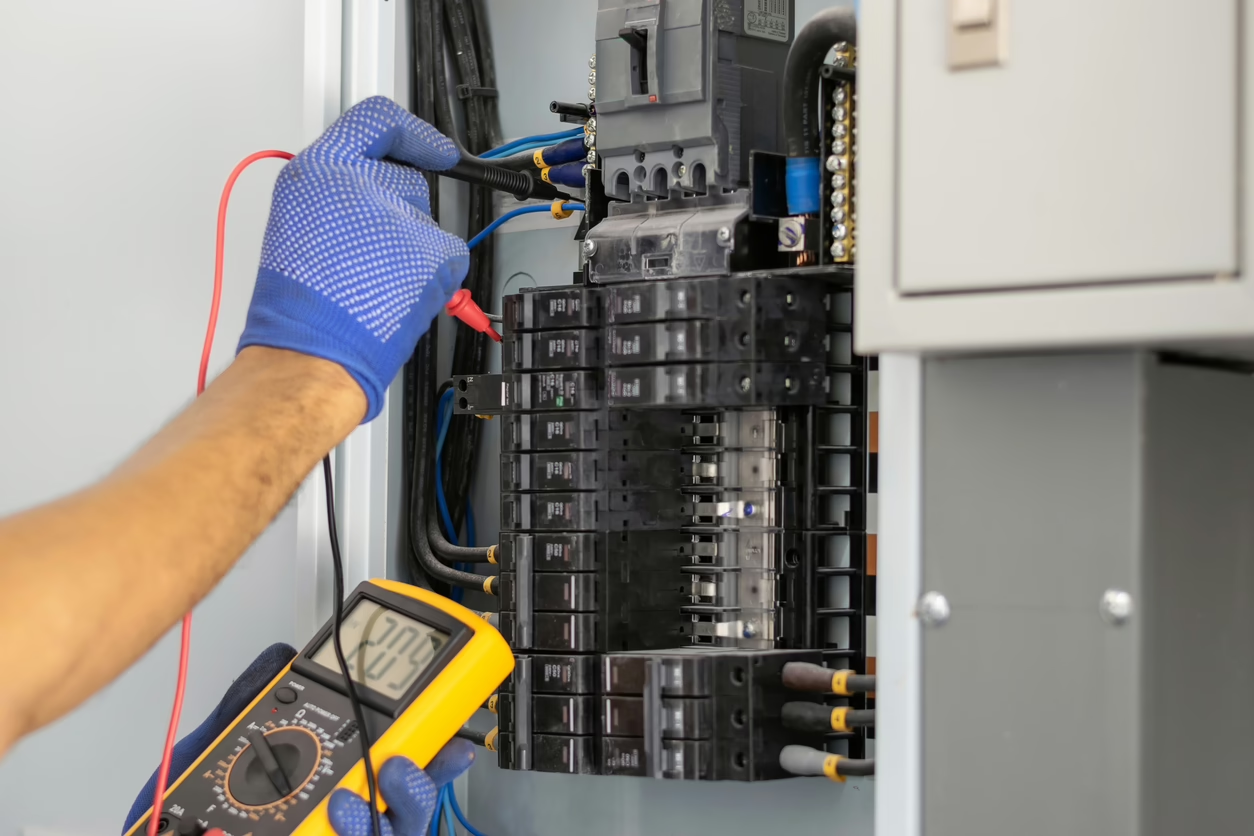
However, the panel plays a critical role in electrical safety. It controls power flow, protects circuits, and shuts down electricity when something goes wrong.
When an electrical panel becomes outdated, overloaded, or damaged, the risks increase significantly.
In many cases, warning signs appear long before a serious failure occurs. Recognizing those signs early can help prevent electrical fires, power loss, and expensive repairs.
What an Electrical Panel Actually Does
Before looking at warning signs, it helps to understand the job of the electrical panel.
Your electrical panel performs three main functions:
• Distributes electricity to circuits throughout the home
• Protects wiring using circuit breakers
• Controls electrical capacity for appliances and devices
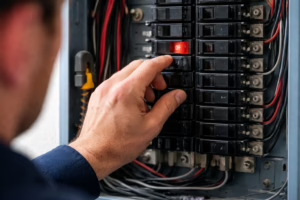
Every breaker inside the panel represents a separate circuit. If that circuit draws too much electricity, the breaker trips to prevent overheating or fire.
Modern homes depend on this protection system more than ever.
Today’s electrical demand includes:
- HVAC systems
- electric ranges
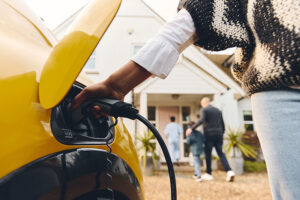
- EV chargers
- home offices
- large TVs and electronics
- laundry appliances
- smart home systems
Because of this increased demand, many older electrical panels struggle to keep up.
Common Warning Signs of an Unsafe Electrical Panel
Below are some of the most common indicators that your electrical panel may need professional attention.
⚡ Frequent Breaker Trips
Breakers are designed to trip occasionally when circuits overload.
However, if your breakers trip frequently, the panel may be struggling to handle electrical demand.
Possible causes include:
- overloaded circuits
- failing breakers
- outdated panel design
- insufficient electrical capacity
In many cases, repeated breaker trips signal that the system needs evaluation.
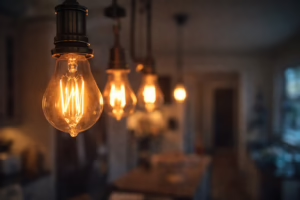
💡 Flickering or Dimming Lights
Lights should remain stable when appliances turn on.
If lights dim when you start appliances like:
- microwaves
- air conditioners
- hair dryers
- vacuum cleaners
the electrical panel may be experiencing voltage instability.
This often happens when panels operate near maximum capacity.
🔥 Burning Smell or Heat Near the Panel
This is one of the most serious warning signs.
Electrical panels should never smell like burning plastic or hot wiring.
If you notice:
- heat coming from the panel
- a burning odor
- discoloration around breakers
shut off power and contact an electrician immediately.
Overheating panels can lead to electrical fires.
🔌 Outlets or Circuits Stop Working
Sometimes panel issues appear as dead outlets or partial power loss.
For example:
- half the home loses power
- certain circuits stop working
- breakers reset but power does not return
These issues often indicate internal panel problems or damaged breakers.
⚙️ Buzzing or Humming Sounds
Electrical panels should operate silently.
Buzzing sounds often indicate:
- loose connections
- overloaded breakers
- failing components
Any electrical equipment producing noise deserves inspection.
Older Electrical Panels Can Be Risky
Many homes built before the early 2000s still use panels designed for far lower electrical demand.
Older systems may include:
- 60 amp service panels
- 100 amp service panels
- outdated breaker technologies
Although these systems worked well decades ago, modern homes require significantly more electrical capacity.
In addition, some older panel brands have known safety concerns.
Outdated Panel Brands Still Found in Homes
Some electrical panels installed decades ago are now considered unsafe or obsolete.
Examples include:
- Federal Pacific Electric (FPE) panels
- Zinsco panels
- Pushmatic breaker panels
These panels may fail to trip during dangerous overload conditions.
Because of this, electricians often recommend replacement when these panels are discovered.
Electrical Demand Has Increased Dramatically
Homes today use far more electricity than homes built 30 or 40 years ago.
Consider the difference.
| Appliance Type | Typical Demand |
|---|---|
| Central AC | High |
| Electric range | High |
| EV charger | Very High |
| Dryer | High |
| Hot tub | Very High |
| Home office equipment | Moderate |
Because of these loads, many homes eventually need electrical panel upgrades or installations to safely support modern power usage.
When Panel Repairs Are Enough
Not every electrical panel issue requires replacement.
In some cases, electricians can repair specific components such as:
- faulty breakers
- damaged wiring connections
- loose terminals
- individual circuit problems
Electrical panel repairs can restore proper function when the panel itself remains structurally sound.
When a Panel Upgrade Is the Better Solution
Sometimes repairs only address symptoms.
If the panel lacks capacity or uses outdated components, upgrading becomes the safer long-term solution.
Panel upgrades may be recommended when homeowners plan to add:
- EV chargers
- standby generators
- hot tubs
- additional circuits
- major renovations
Upgrading electrical service often improves both safety and system reliability.
Modern Electrical Panels Provide Important Benefits
Today’s electrical panels offer several advantages over older systems.
Improved Safety
Modern breakers respond faster and more reliably to electrical faults.
Higher Capacity
200-amp panels support far more electrical demand than older systems.
More Circuit Space
New panels allow homeowners to add circuits for future upgrades.
Compatibility With Modern Technology
Panels now support EV chargers, generators, solar systems, and advanced appliances.
Why Professional Panel Evaluation Matters
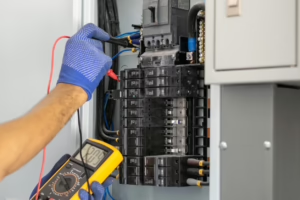
Electrical systems involve complex safety considerations.
An experienced electrician can evaluate:
- panel condition
- breaker performance
- electrical load demand
- circuit distribution
- grounding and bonding
This evaluation helps determine whether repairs, installation, or upgrades are the best solution.