National Preparedness Month • Generator Safety Guide
A portable generator can keep a refrigerator cold, run a sump pump, and help a family get through an outage. It can also create carbon monoxide, shock, fire, and backfeeding hazards when it is connected or operated incorrectly.
That is why generator safety belongs in every National Preparedness Month conversation. The time to understand the setup is before a storm, not in the dark, while rain is falling and extension cords are being pulled from the garage.
This guide explains the major portable-generator risks in plain language and shows Suffolk County homeowners what a safer backup-power plan looks like.
Never operate a portable generator indoors, and never connect one directly to household wiring without approved transfer equipment.
First, Understand What a Portable Generator Does
A portable generator produces electricity using an engine and fuel supply. Depending on its size and configuration, it may power a few devices through approved cords or connect to selected home circuits through properly installed transfer equipment.
It is not a substitute for utility power in every situation, and it should not be expected to run the entire house unless the system was specifically designed and sized for that load.
Before an outage, decide what matters most: refrigeration, heat controls, a sump or well pump, medical needs, internet equipment, lighting, or another essential load. Add the power requirements and make sure they are within the generator manufacturer’s ratings.
Rule 1: Never Operate a Generator Indoors
Portable generators produce carbon monoxide, an odorless and colorless gas that can cause sudden illness or death. Never operate one in a house, garage, basement, crawlspace, shed, enclosed porch, or partly enclosed structure, even if doors or windows are open.
Place the generator outdoors, at least 20 feet from the home, with the exhaust directed away from doors, windows, vents, and occupied areas. Follow the manufacturer’s location requirements and keep it away from neighboring openings as well.
Working carbon monoxide alarms should be installed on every level and outside sleeping areas according to the alarm manufacturer’s directions and local requirements.
If a carbon monoxide alarm sounds or anyone develops headache, dizziness, nausea, weakness, confusion, chest pain, or unusual tiredness, move to fresh air and call 911. Do not re-enter until emergency responders say it is safe.
Rule 2: Never Backfeed the House
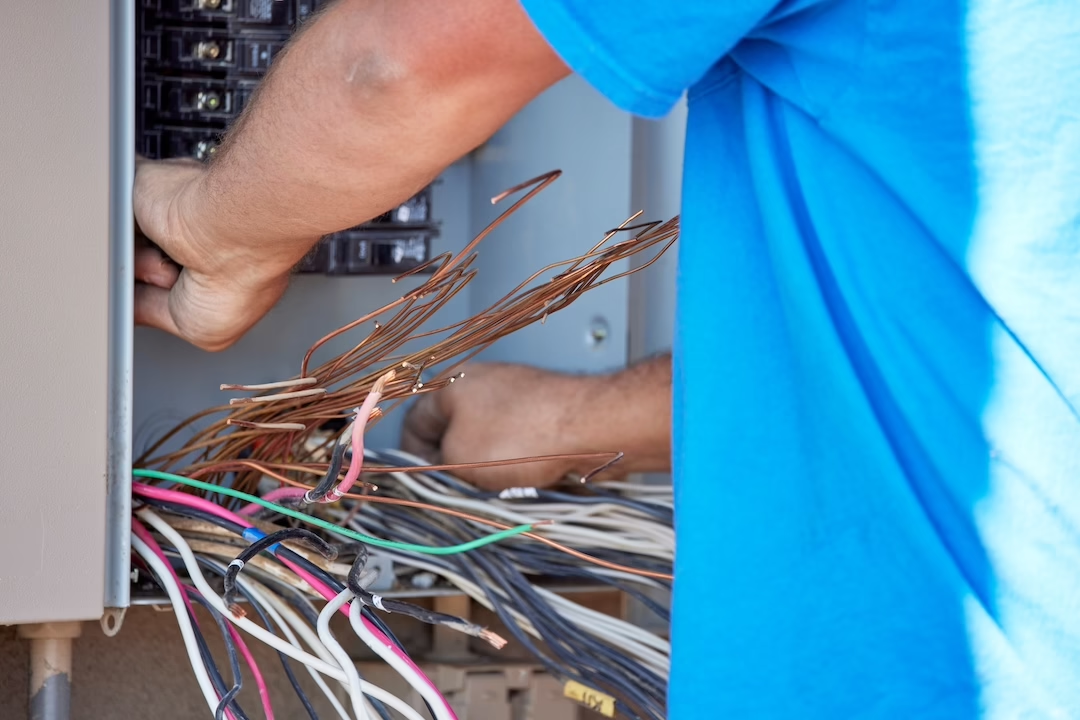
Backfeeding happens when a generator sends power into household wiring without approved transfer equipment separating the generator from the utility supply. One dangerous example is connecting a generator to a wall receptacle with a homemade cord.
That setup can energize utility lines that workers believe are de-energized. It can also damage the generator, electrical system, neighboring property, and equipment when utility power returns.
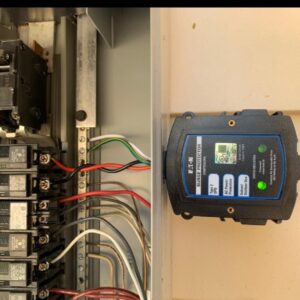
A home connection should use transfer equipment, an approved interlock where permitted, a power inlet, and other components selected for the specific panel and generator. A licensed electrician should install and verify the system.
Rule 3: Keep the Generator Dry
Do not operate a portable generator in rain, standing water, or wet conditions. Wet hands, wet cords, and wet equipment increase shock risk.
Use a manufacturer-approved outdoor generator cover or canopy designed to provide ventilation while protecting the unit from weather. Never improvise an enclosure with a tarp, box, tent, or garage because exhaust and heat need room to escape.
Place the generator on a stable, dry surface where water cannot pool around it.
Rule 4: Use the Right Cords and Connections
If appliances are connected directly to the generator, use grounded outdoor-rated extension cords suitable for the load and environment. Inspect the entire cord before each use.
Do not use a cord with cuts, crushed areas, loose plugs, missing grounding pins, burn marks, or exposed conductors. Keep connections dry and arranged where people will not trip over them.
Do not daisy-chain power strips and extension cords. Do not run cords through standing water, under rugs, or through a doorway where they can be pinched.
Rule 5: Do Not Overload the Generator
Every generator has running and starting-watt limits. Motor-driven equipment may require a larger burst of power when it starts. A refrigerator, freezer, pump, or air-conditioning component can therefore demand more than its normal running load for a short time.
Choose essential equipment, calculate the load, and start items gradually. If the generator bogs down, breakers trip, cords become warm, or equipment behaves abnormally, reduce the load and investigate the cause.
Bigger is not automatically better. Generator size, connection equipment, fuel storage, and the circuits being supplied should work as one planned system.
Rule 6: Turn It Off and Let It Cool Before Refueling
Gasoline or another fuel spilled on a hot engine can ignite. Shut the generator down and allow it to cool before adding fuel.
Store fuel in approved containers, outside living areas and away from ignition sources. Follow local requirements and the manufacturer’s instructions. Never store gasoline in the home or near a furnace, water heater, electrical equipment, or other potential ignition source.
Rule 7: Test the Plan Before the Outage
A generator that has not been started in months may have a weak battery, stale fuel, a maintenance problem, or a connection nobody remembers how to use.
Review the manufacturer’s maintenance schedule. Exercise the unit as directed, confirm the cords or inlet are in good condition, and keep the operating instructions with the generator.
If the home uses transfer equipment, make sure the adults responsible for the system understand the proper sequence. Label the circuits that can be supplied and keep the area around the panel clear.
Rule 8: Protect Utility Workers and Neighbors
Generator electricity does not stay politely inside your property when it is connected incorrectly. Backfeeding can place voltage on utility lines, transformers, or neighboring electrical systems.
Utility crews work to restore power under difficult conditions. Proper transfer equipment isolates generator power from the utility supply so the two sources cannot energize the system at the same time.
Portable Generator or Standby Generator?
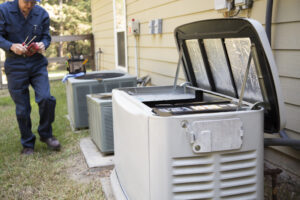
A portable generator may be appropriate when the goal is to support a limited number of essential loads and someone can safely set up, fuel, and monitor the unit. A standby generator is permanently installed and can start automatically when utility power fails.
The right choice depends on the property, budget, fuel options, essential loads, outage frequency, and whether someone will be available to operate a portable unit. Homes with sump pumps, wells, medical needs, home offices, refrigeration, or heating priorities may benefit from a more structured backup-power plan.
Whichever type you choose, the electrical connection must match the generator, the panel, and the circuits being supplied.
What Should a Generator-Ready Electrical Plan Include?
- A realistic list of essential circuits and equipment
- Generator capacity that accounts for starting and running loads
- Approved transfer or interlock equipment appropriate for the panel
- A properly located power inlet when the design uses one
- Correct grounding and bonding for the specific configuration
- Outdoor generator placement away from openings
- Working smoke and carbon monoxide alarms
- A written startup, transfer, shutdown, and refueling sequence
Warning Signs That Mean Stop
Shut the generator down when it is safe and stop using the system if you notice:
- Burning odors, smoke, sparking, or melted connections
- Warm, damaged, or discolored cords
- Repeated breaker trips
- Water reaching the generator or electrical connections
- A carbon monoxide alarm
- Unusual engine behavior or fuel leakage
- House wiring energized through an unapproved connection
For fire, active arcing, carbon monoxide exposure, or immediate danger, move to safety and call 911.
Plan Backup Power Before Suffolk County’s Next Outage
HomeOps Electric helps Suffolk County homeowners plan generator connections around the property’s real electrical needs. We can review the panel, generator requirements, transfer equipment, inlet location, wiring route, and essential circuits before the next storm.
Explore our generator installation and generator-ready electrical services, electrical panel services, and 24/7 emergency electrical service.
Call HomeOps at (631) 509-2000 to discuss a safer backup-power setup.
Need a Safer Generator Connection?
HomeOps Electric can review your panel, essential loads, transfer equipment, inlet location, wiring, and generator requirements before the next outage.